Stop the water at the wall, not at the mop
Exterior membrane systems, interior perimeter drainage, crack injection, crawl space encapsulation and window well drainage. Backed by a 30-year warranty.
Basements do not leak. Foundations do.
Water in a basement is almost never a basement problem. It is soil holding water against a foundation wall until pressure forces it through the weakest point available, which is usually a cold joint, a tie rod hole, a mortar joint or the seam where the floor meets the wall.
That is why dehumidifiers, sealant paint and drylock do not work for long. They treat the surface where the water arrives, not the pressure that pushed it there. A real system either removes the water before it reaches the wall or gives it a controlled route out.
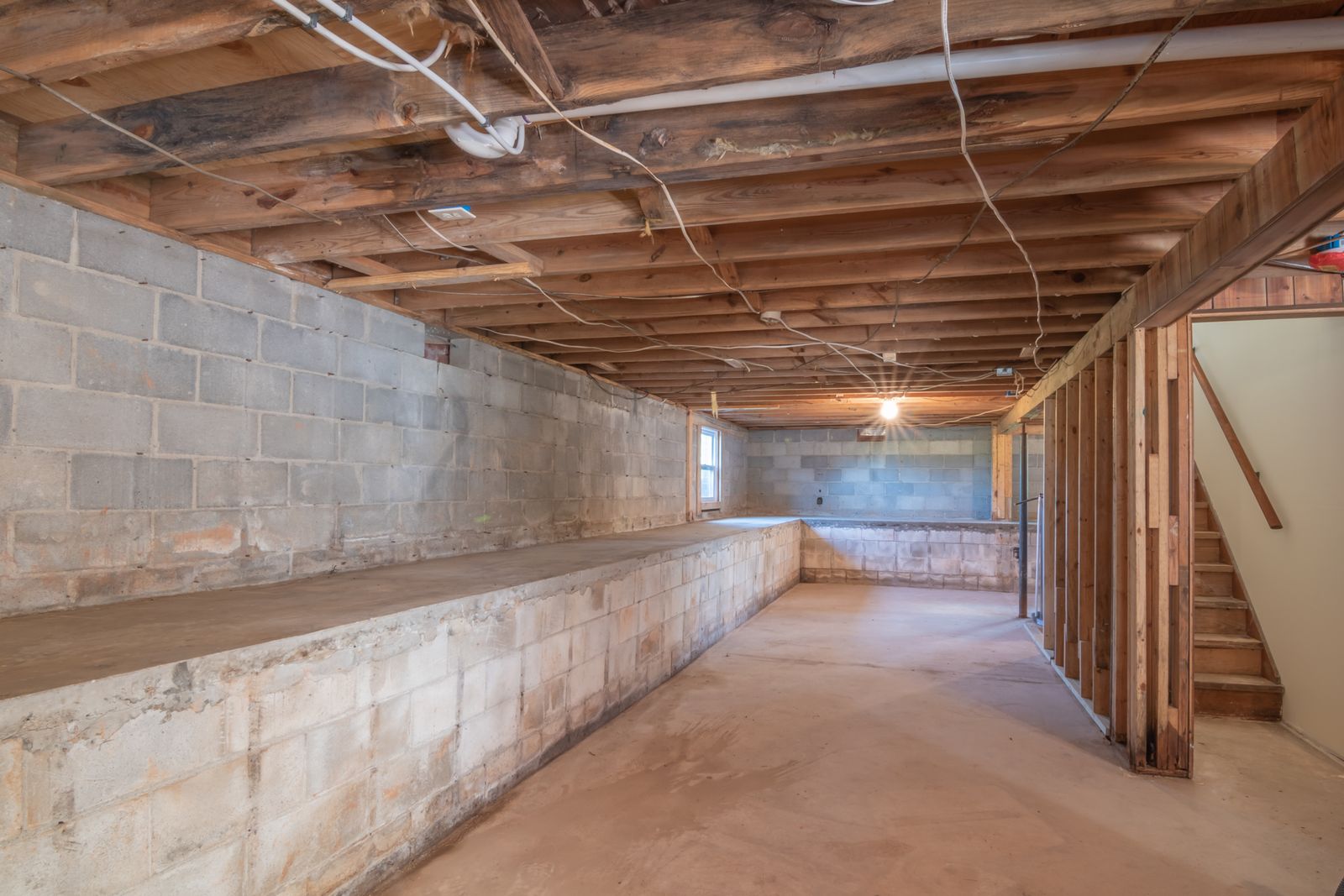
Exterior waterproofing
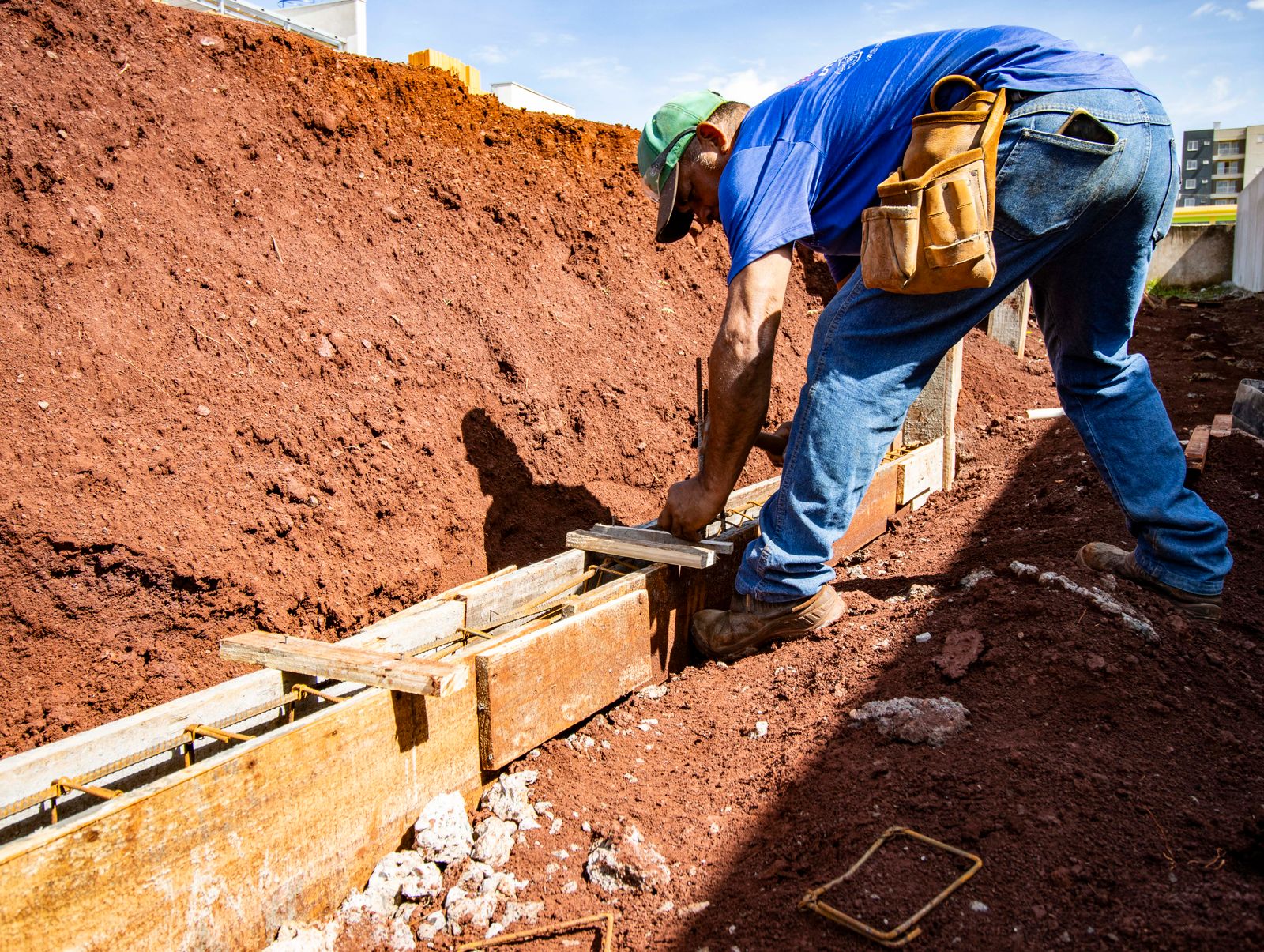
The thorough approach. Exterior waterproofing means excavating down to the footing, exposing the wall, repairing it, then building the barrier and the drainage on the outside face where the water actually is. Here is what that work involves.
- Excavation to the footing along the affected elevations, by machine or by hand where access is tight
- Wall preparation: cleaning, crack repair and parging of the exposed foundation face
- Waterproof membrane or elastomeric coating applied across the full below-grade wall
- Dimple drainage board so water that reaches the wall runs down instead of sitting on it
- New footing drain: perforated pipe in washed stone, wrapped in filter fabric
- Backfill and restoration with the grade corrected to pitch away from the house
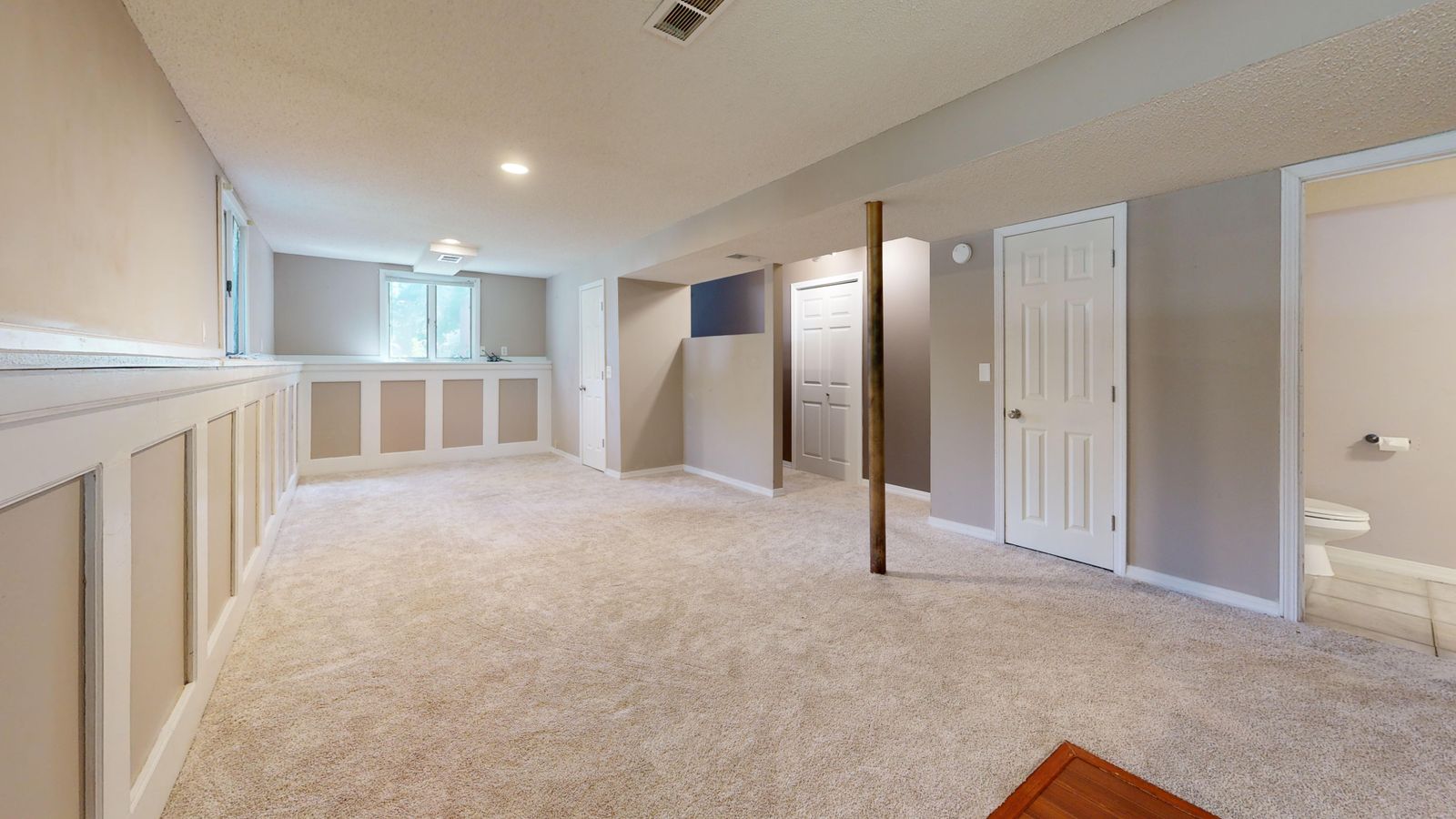
Interior perimeter drainage
No excavation outside, no destroyed landscaping, and on a great many homes it is the correct engineering answer rather than the compromise answer.
- Channel cut into the slab around the interior perimeter of the foundation
- Perforated drain pipe in stone set below slab level along the footing
- Wall drainage board that catches water coming through the wall and drops it into the drain
- Sealed sump basin and pump sized to the volume the system will actually see
- Discharge line run far enough from the house that the water does not simply return
- New concrete over the channel, finished flush with the existing slab
The pieces most quotes leave out
These are the details that decide whether a waterproofing system holds for thirty years or fails in four.
Foundation crack injection
Polyurethane or epoxy injected through the full depth of a poured wall crack, not smeared across the face of it. Flexible polyurethane for cracks that still move slightly, rigid epoxy where the repair also needs to restore strength.
Crawl space encapsulation
A sealed vapor barrier across the floor and up the walls, vents sealed, drainage and a dehumidifier where needed. An open dirt crawl space pumps moisture into the living space above it every single day.
Window wells and egress drainage
An undrained window well is a bucket sitting against your foundation. Draining the well into the footing drain system and covering it stops it collecting roof runoff.
Vapor barriers and wall panels
Insulated, mold-resistant wall panels and vapor barriers that keep the finished side of a basement dry without trapping moisture inside the assembly.
Dehumidification
Correctly sized, drained dehumidification for the humidity that remains after the liquid water problem is solved. Damp air alone will still grow mold.
The water above the wall
Gutters, downspout extensions, roof drainage and grade. A huge share of wet basements are caused by roof water landing four feet from the foundation.
Backed by a 30-year warranty
Our work is backed by a 30-year warranty. Ask us for the warranty terms that apply to your job and we will go through them with you.
Foundation waterproofing questions
Exterior or interior waterproofing, which is better?
Exterior is the more complete fix because it stops water at the outside face of the wall, before it enters the structure at all. Interior drainage is a management system: it accepts that water will reach the wall and gives it a controlled path to a pump instead of your floor.
Exterior costs more and tears up your yard. Interior is faster, cheaper and less disruptive, and on a very large number of homes it is genuinely the right answer. The decision depends on the source of the water, the condition of the wall and what is sitting on top of the excavation route. It is not a decision anyone should make before seeing your house.
Will waterproofing fix a crack in my foundation?
Waterproofing stops the crack from leaking. It does not stop the crack from moving. If the crack is structural, meaning the wall is bowing, shearing or still shifting, it needs structural repair first and waterproofing second. Sealing a moving crack is how you end up paying twice. See foundation repair.
How long does the work take?
It depends on the system and the house. Interior perimeter drainage is generally quicker than exterior excavation, which is affected by depth, access and what has to be moved out of the way first. Ask us for a timeframe when we come out and look at your property.
Do I have to empty the basement?
Interior work needs clear access around the perimeter of the basement, so anything stacked against the walls generally has to be moved. Ask us how much clearance your job will need.
Is the work covered by a warranty?
Yes. Our work is backed by a 30-year warranty. Ask us for the terms that apply to your job before you decide anything.
Find out what is actually letting the water in
Free estimates across Fairfield, Westchester, Rockland, Nassau and Queens. Emergency and same-day service available.